Industrial Hoses Manufacturer in India
Industrial Rubber Solutions

INDUSTRIAL HOSES MANUFACTURER IN INDIA

Industrial Hoses Manufacturer in India
39+

ESTABLISHED EXPERIENCE

39+ YEARS OF INDUSTRY EXPERIENCE

ABOUT OUR PRODUCTS

Industrial Hoses for Industrial Applications

R. S. Arora Rubber Corporation manufactures and supplies industrial hoses for fluid transfer, equipment connections and different industrial operating requirements. As an Industrial Hoses Manufacturer in India, the company considers the application, material or fluid being handled, pressure, temperature, hose dimensions, connection requirements and quantity when evaluating a hose requirement. With industrial rubber manufacturing experience since 1987, R. S. Arora serves industrial requirements across manufacturing, engineering, mining, construction, power and other sectors.

Industrial Hoses for Industrial Applications

Industrial hoses provide flexible connections for transferring fluids, air and other materials between equipment and process systems. The appropriate hose depends on the service conditions, equipment arrangement and material being conveyed.

R. S. Arora offers industrial hose solutions for applications involving water, oil, chemicals, air, hydraulic systems and other industrial requirements. The suitable hose construction depends on factors such as pressure, temperature, fluid compatibility, dimensions and operating conditions.

Industrial hoses can be required for manufacturing plants, machinery, maintenance work, process equipment, material handling systems and other industrial applications.

Industrial Hose Solutions from R. S. Arora

01

Hydraulic Hoses

Hydraulic hoses are used to transfer pressurised fluid between components in hydraulic systems. Their selection depends on the equipment, working pressure, temperature, hose dimensions and connection arrangement.
02

Industrial Rubber Hoses

Industrial rubber hoses provide flexible connections for moving fluids or other materials. The hose construction is selected based on the material being handled and the conditions in which it will be used.
03

Suction and Discharge Hoses

Suction and discharge hoses are used where fluids need to be drawn into or delivered through an industrial system. Application, fluid compatibility, pressure, temperature and hose dimensions should be considered when selecting the appropriate product.
04

Air and Water Hoses

Air and water hoses can be used for industrial service, equipment connections and conveying requirements. The required pressure, temperature, length and connection details should be established before selection.
05

Special-Purpose Industrial Hoses

Certain applications require hoses designed around specific operating conditions. Furnace cooling, mining and other specialised applications may require consideration of factors such as fluid type, pressure, temperature, abrasion and environmental exposure.

Industrial Hoses Based on Application

01

Hoses for Fluid Transfer

Industrial hoses can be used to transfer water, oil, chemicals and other process fluids between equipment, tanks, pipelines and operating points. Fluid compatibility should be established before selecting the hose.
02

Hoses for Hydraulic Equipment

Hydraulic systems require hoses suitable for their operating pressure, temperature and hydraulic fluid. Equipment details and connection requirements are also important when determining the appropriate hose.
03

Hoses for Oil Applications

Oil-handling applications require consideration of the type of oil, operating temperature, pressure and expected service conditions. These factors influence the suitability of the hose construction.
04

Hoses for Chemical Applications

Chemical applications require attention to compatibility between the conveyed chemical and the hose material. Concentration, temperature, pressure and exposure conditions should also be considered.
05

Hoses for Air and Water Applications

Industrial air and water applications can involve different pressure, temperature and equipment requirements. The hose should therefore be selected according to the actual operating conditions rather than size alone.
06

Hoses for Mining and Heavy-Duty Equipment

Mining and heavy-duty equipment can place demanding requirements on hoses because of pressure, movement, abrasion and working conditions. Application details should be reviewed before selecting the hose.

How to Select the Right Industrial Hose

Choosing an industrial hose starts with understanding how and where it will be used. Important factors include:

Flexibility and bending specifications.

Providing these details allows the hose requirement to be evaluated according to the actual service conditions.

Application and equipment
Fluid or material being conveyed
Working and maximum pressure
Operating temperature
Required internal diameter
Hose length
Abrasion and external wear
Chemical or oil exposure
Environmental conditions
Connection and fitting requirements
Required quantity

Industrial Hose Specifications to Share

Requirement
Information to Provide
Application
Equipment, process or system where the hose will be used
Fluid or Material
Type of liquid, gas or material being conveyed
Pressure
Normal and maximum working pressure
Temperature
Normal and maximum operating temperature
Size
Required internal diameter and other available dimensions
Length
Required hose length
Connection
End connection or fitting details
Environment
Abrasion, weather, chemical or other exposure
Quantity
Number of hoses or total required length
Reference
Existing hose, drawing or previous specification, if available

Industrial Hose Manufacturing Process

01

Material and Compound Selection

The material and hose construction should suit the intended application. Factors such as the conveyed medium, pressure, temperature and surrounding environment are considered when establishing the product requirement.
02

Tube and Reinforcement Construction

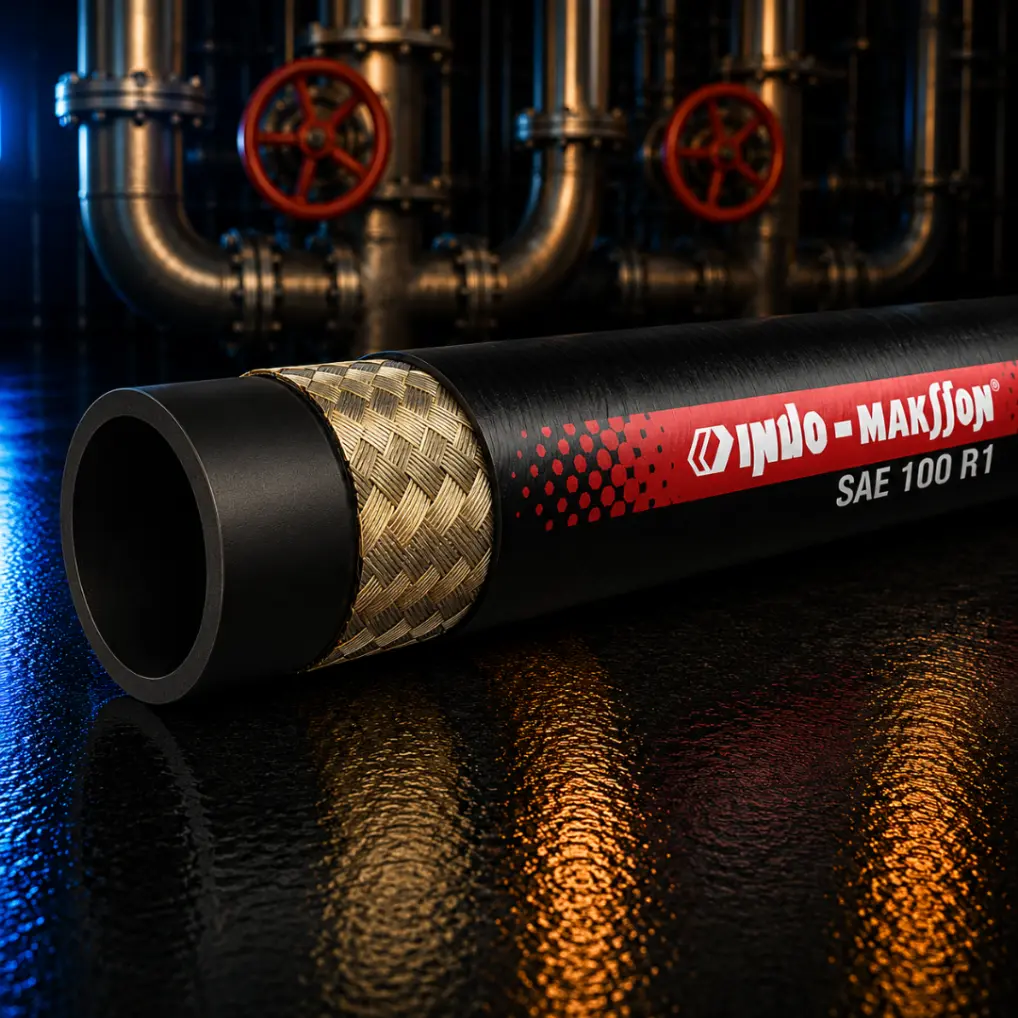
An industrial hose generally consists of an inner tube, reinforcement and outer covering. The construction is selected according to the service conditions and performance requirements of the application.
03

Hose Production

During production, the hose is formed according to the required construction and dimensions. Consistency in dimensions, construction and finish is important when supplying hoses for industrial use.
04

Inspection and Quality Checks

Industrial hoses are checked for their dimensions, appearance, construction and overall quality. The checks may differ depending on the type of hose and how it will be used.

For an Industrial Hoses Manufacturer in India, understanding the application and maintaining consistency during production are important parts of supplying suitable hose solutions.

Industrial Hoses for Different Operating Conditions

01

Pressure Requirements

Pressure is one of the main factors to check when choosing an industrial hose. Consider the usual working pressure as well as any higher pressure the hose may experience during operation.
02

Temperature Requirements

Normal and maximum operating temperatures should be considered because temperature conditions can affect hose suitability and service performance.
03

Fluid Compatibility

The hose construction should be appropriate for the fluid or material being transferred. Water, oil, chemicals and other media can have different compatibility requirements.
04

Abrasion and Environmental Conditions

External abrasion, weather exposure, equipment movement and surrounding conditions can affect hose selection. These factors should be considered along with internal service conditions.
05

Flexibility and Routing

When a hose needs to bend or move along with equipment, consider the available space, routing and required length. The type of connection should also be confirmed before finalising the hose.

Industrial Hoses for Manufacturing and Maintenance Requirements

Industrial hoses may be required for new machinery, plant installations, equipment maintenance or replacement of an existing hose.

For replacement requirements, information from the existing hose can help establish the required size, connection and application. For new projects, providing equipment details and operating conditions at the enquiry stage can help define the hose requirement more accurately.

Industrial Hose Supply for Bulk Requirements

Industrial hose requirements can arise from manufacturing plants, maintenance departments, contractors and project procurement teams. Bulk requirements may involve multiple hose sizes, different applications or repeat supply.

Customers can share the application, required specifications, quantity and delivery requirements so that the requirement can be reviewed before supply.

Why Choose R. S. Arora for Industrial Hoses

R. S. Arora Rubber Corporation has been associated with industrial rubber manufacturing since 1987 and supplies a broad range ofindustrial rubber products. The company's product range covers industrial requirements across sectors such as steel, cement, engineering, paper, sugar, defence, power plants, construction, infrastructure and irrigation projects.

As an Industrial Hoses Manufacturer in India, R. S. Arora can review hose requirements based on application, operating conditions, dimensions and quantity. The company operates from Ranigunj, Secunderabad, Hyderabad, Telangana, supporting industrial requirements through its manufacturing and supply experience.

QUICK CHECKLIST

How to Enquire for Industrial Hoses

Providing these details helps clarify the requirement and choose a suitable industrial hose.

To discuss an industrial hose requirement, customers can provide:
Application and equipment details
Fluid or material being handled
Working pressure
Operating temperature
Required hose size
Required length
Connection or fitting details
Expected operating conditions
Quantity required
Delivery location
Existing hose specification or reference, if available

Technical Requirement Checklist

Provide your operating parameters, dimensions, pressure ratings, and quantity details for immediate technical evaluation.

DIRECT SUPPORT

Technical Assistance

Have drawings or custom project specifications? Speak directly with our technical team.

Submit Requirement Online

Explore Related Industrial Rubber Products

Frequently Asked Questions (FAQs)

What are industrial hoses used for?

Industrial hoses are used for flexible connections and the transfer of fluids, air or other materials between equipment and industrial systems. Applications can include manufacturing, hydraulic equipment, maintenance, process systems, mining and other industrial operations.

What types of industrial hoses are available?

Industrial hose requirements can include rubber hoses, hydraulic hoses, suction and discharge hoses, air and water hoses and specialised industrial hose solutions. The appropriate type depends on the application and operating conditions.

How do I choose the right industrial hose?

Consider the application, fluid or material, working pressure, operating temperature, hose dimensions, length, flexibility, environmental exposure and connection requirements. These details help determine a suitable hose construction.

What information should I provide when ordering an industrial hose?

Provide the application, equipment details, fluid or material, pressure, temperature, required size, length, connection details and quantity. An existing hose specification or reference can also help with replacement requirements.

What is the difference between industrial hoses and hydraulic hoses?

Industrial hoses cover a broad range of applications involving fluid, air or material transfer. Hydraulic hoses are a specific category used in hydraulic systems and are selected according to hydraulic pressure, temperature, fluid and connection requirements.

Can industrial hoses be supplied for bulk requirements?

Yes. Industrial hose requirements can be discussed for manufacturing, maintenance and project applications. Sharing the required specifications, quantity and delivery details helps in evaluating a bulk requirement.

Can industrial hoses be selected for specific applications?

Yes. Hose selection can be based on the application, conveyed medium, pressure, temperature, dimensions, connection arrangement and operating environment. Providing these details helps establish the appropriate hose requirement.