
Call Now
+91 939-332-2500
Email
sales@rsarora.com
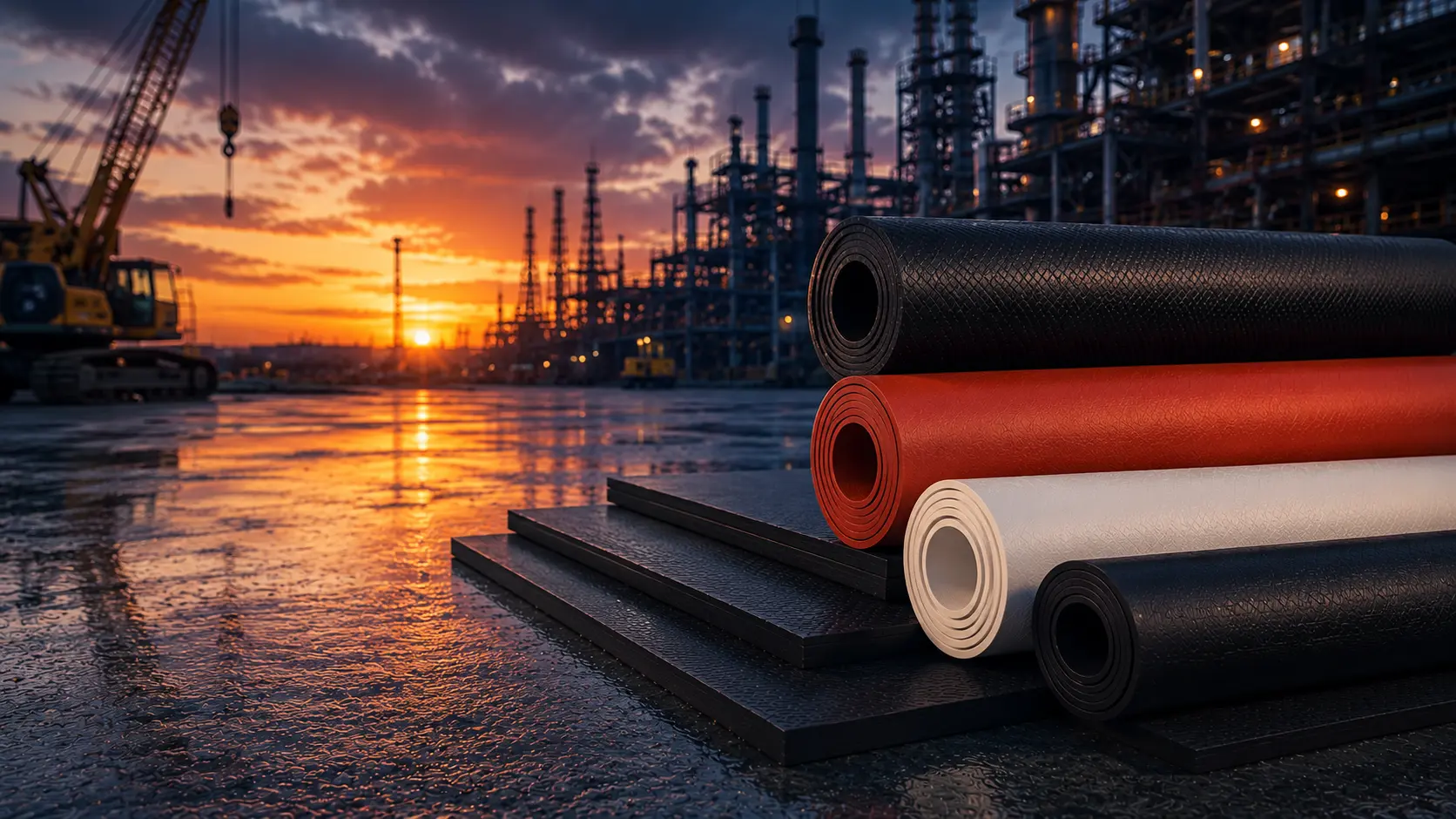

R. S. Arora Rubber Corporation manufactures and supplies gym mats and tiles for fitness flooring requirements. These products can be considered for workout areas, equipment zones and other spaces where the floor is subject to regular use. As Gym Mats and Tiles Manufacturers in India, R. S. Arora considers factors such as the intended application, floor area, equipment, dimensions, thickness and quantity when discussing a requirement. With experience in industrial rubber manufacturing since 1987, the company takes an application-based approach to gym flooring requirements.
Every fitness area can have different flooring needs. Weight-training zones, cardio areas, functional training spaces and equipment sections may experience different levels of impact, movement and foot traffic.
Gym mats and tiles can be selected according to the way a particular area will be used. The available floor space, equipment placement, expected usage, preferred format and required thickness can all influence the final specification.
Customers can share these details with R. S. Arora when discussing a gym flooring requirement so that the product specification can be considered according to the intended use.
Weight-training areas are regularly exposed to equipment loading and repeated workouts. The flooring requirement can depend on the type of equipment, expected impact, workout activity and available floor space.
Providing information about the equipment and intended use helps determine the appropriate gym mat specification.
General workout areas may be used for stretching, exercise, functional training and other fitness activities. For these spaces, customers can consider factors such as floor coverage, dimensions, surface characteristics and frequency of use.
Areas containing treadmills, strength-training equipment and other fitness machines may require flooring around and beneath the equipment. The equipment type, floor layout and expected usage should be considered when selecting the required mats.
Gym tiles offer a modular way to cover a fitness area. Individual tiles can be arranged across a planned floor space, making them useful where flooring needs to be installed in sections or where individual sections may need to be replaced later.
Interlocking gym tiles can be considered when a modular flooring arrangement is preferred. Before ordering, customers should establish the floor dimensions, tile format and installation area so that the required quantity can be calculated accurately.
Rubber flooring tiles can be used for different fitness-flooring applications where a suitable floor covering is required. The choice should take into account the activity, equipment, floor area, thickness requirement and expected frequency of use.
Different sections of a gym may require different flooring considerations depending on how the space is used.
| Gym Area | Flooring Considerations |
|---|---|
| Weight training | Equipment loading, repeated use and floor protection |
| Cardio area | Equipment placement, movement and regular foot traffic |
| Free-weight zone | Impact, equipment use and floor coverage |
| Functional training | Movement, traction and surface requirements |
| General workout area | Regular use, floor coverage and maintenance |
Considering the purpose of each area helps avoid applying the same flooring specification to every section of a gym.
Before selecting gym flooring, it is useful to understand how the area will be used. Important considerations include:
For a new fitness facility, the floor layout and planned activities can help establish the requirement. For replacement work, existing dimensions, samples or previous specifications can also be useful.
The required thickness can differ from one application to another. Equipment, workout activity and expected use can influence this requirement. Where a thickness has already been specified, customers can provide it along with the other project details.
Gym flooring can be covered with mats or tiles depending on the space and the layout of the area. Providing the floor measurements and required dimensions makes it easier to decide the right format and quantity.
Surface requirements may depend on the type of exercise, equipment and movement expected across the flooring. Any specific requirements relating to the intended use should be communicated before finalising the specification.
For larger facilities, the total floor area, preferred product format and required quantity should be shared together. This helps establish the amount of flooring needed for the planned space.
Manufacturing gym mats and tiles requires consistent dimensions, thickness and surface finish. The material and overall product specifications are selected with the intended use of the flooring in mind.
For Gym Mats and Tiles Manufacturers in India, knowing the type of fitness area, expected usage and flooring requirements helps in determining a suitable product specification.
The selection of gym mats and tiles depends on the workout area, equipment load, surface conditions and expected level of use. For requirements outside fitness flooring, R. S. Arora also supplies rubber sheets for industrial applications.
The manufacturing process focuses on maintaining uniform dimensions, thickness and surface finish across the mats and tiles. The product format is also considered according to the layout and requirements of the flooring area.
Gym mats and tiles are checked for dimensions, thickness, surface finish and overall consistency. The inspection points may vary depending on the product specification and the intended use of the flooring.
Commercial gyms and fitness facilities may require flooring across several areas rather than a single workout zone. Requirements can include weight-training spaces, cardio areas, functional training zones and equipment sections.
For larger projects, customers can provide the total flooring area along with the intended activities, equipment details, preferred format and required quantity. This gives the manufacturer a clearer understanding of the overall requirement.
Fitness equipment areas can experience repeated movement, foot traffic and equipment loading. Gym flooring for these locations should therefore be selected according to the actual use of the space.
Free weights, strength equipment, cardio machines and functional training equipment may create different flooring requirements. Sharing the equipment type and intended location helps establish the relevant mat or tile specification.
Fitness facilities, gyms and other commercial projects may require gym mats or tiles in larger quantities. Bulk requirements can be discussed by providing the total flooring area, preferred product format, dimensions, thickness, application and required quantity.
For customers looking for Gym Mats and Tiles Manufacturers in India, providing complete project information at the enquiry stage can make product discussions more precise and reduce unnecessary clarification.
For recurring requirements, maintaining a consistent product specification can also make future procurement easier.
R. S. Arora has been associated with industrial rubber manufacturing since 1987. This manufacturing background provides experience in handling rubber-product requirements for different industrial applications.
For gym flooring enquiries, the focus is on understanding the actual application, required dimensions, thickness, quantity and other relevant specifications. This helps customers communicate their requirements clearly when sourcing gym mats and tiles.
Businesses looking for gym flooring manufacturers in India can share the application, flooring area, equipment details and product requirements to help establish the appropriate specification for their project.
Customers can provide:
If the exact specification is not known, customers can provide the gym layout, application and equipment details so the requirement can be discussed more clearly.
Contact R. S. Arora Rubber Corporation today for tailored product specifications, dimensions, application advice, and dependable pan-India delivery.
Contact Our Team